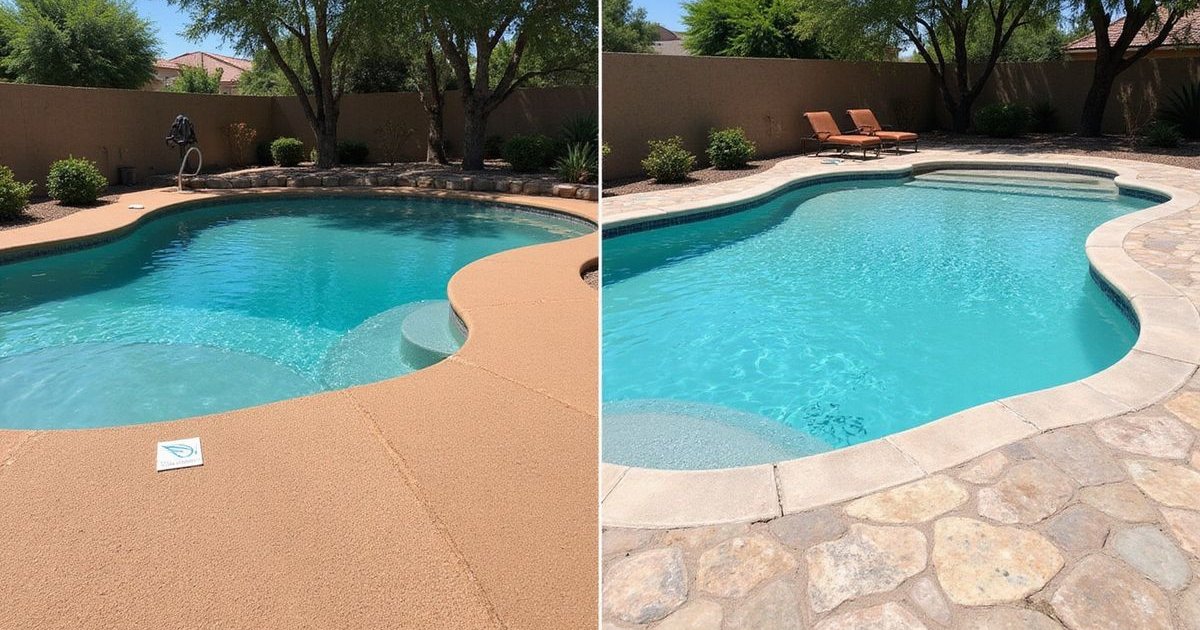
Pebble Tec vs Plaster vs Quartz: Which Pool Finish Is Right for You?
Compare pool finishes: Pebble Tec, Quartz Aggregate, and Plaster. Learn pros, cons, costs, and lifespan to choose the best option.
Picking a pool finish is easily the most critical choice you will make during a renovation. The material you select dictates how your pool handles the harsh Phoenix sun, how the surface feels against your skin, and exactly how much maintenance you will face over the next decade.
We have seen too many homeowners default to the cheapest option without understanding the long-term trade-offs.
Standard plaster might save money today, but the local hard water can chew through it in half the time of other materials.
You need to look beyond the brochure photos.
This guide cuts through the sales pitch to compare the three primary finish categories: Pebble Tec, Quartz Aggregate, and traditional Plaster. For more on our pool resurfacing services, see our main service page.
Our team will break down the real costs, the lifespan data, and the specific “insider” details you need to make the right call for your backyard.
Quick Comparison
| Factor | Standard Plaster | Quartz Aggregate | Pebble Tec® / Pebble |
|---|---|---|---|
| Initial Cost | $ (Lowest) | $$ (Mid-Range) | $$$ (Premium) |
| Phoenix Lifespan | 7-10 years | 12-15 years | 20+ years |
| Texture | Very Smooth | Smooth with mild texture | Textured / Natural Stone |
| Durability (Mohs Scale) | Low (~3.0) | High (~7.0) | Very High (~6.0-7.0) |
| Stain Resistance | Low | Medium | High |
| Warranty (Typical) | 1-3 Years | 5-10 Years | 15-Lifetime |
Traditional Pool Plaster (Marlite)
This is the original pool surface that has been used since the 1960s. White Portland cement is mixed with marble dust to create a clean, smooth, and classic white surface that turns the water a bright sky blue.
Plaster Pros
- Lowest upfront investment: Costs generally run between $5.00 and $7.00 per square foot installed.
- Smoothest texture: The surface is non-abrasive and gentle on swimsuits and feet.
- Classic aesthetic: Nothing else quite replicates that vintage “clean white” look.
- Simple repairs: We can sand down rough spots or patch delaminated areas relatively easily.
Plaster Cons
- Highly reactive to chemicals: The calcium in the cement interacts poorly with aggressive water chemistry.
- Shortest lifespan: Arizona’s hard water and high temperatures often limit this finish to 7-10 years.
- Staining issues: Porous cement absorbs copper and iron stains from fill water.
- Roughness over time: “Etching” occurs as the smooth cement surface wears away, exposing the rougher sand aggregate underneath.
The Hidden “Start-Up” Factor
Many homeowners underestimate the initial labor required for plaster.
New plaster requires a rigorous “start-up” process involving brushing the entire pool twice a day for the first 10 days. Failing to brush off the “plaster dust” can result in permanent scaling or uneven curing.
Best For
We typically recommend this for budget-conscious projects, rental properties, or homeowners planning to sell within 3-5 years.
Quartz Aggregate (Diamond Brite / QuartzScapes)
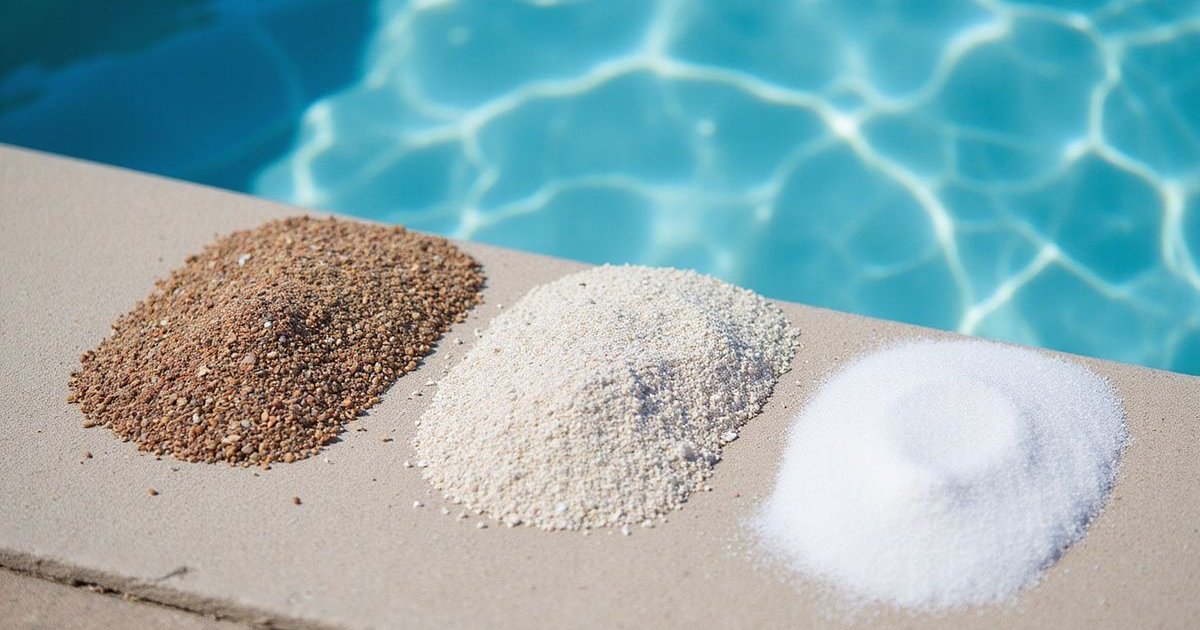
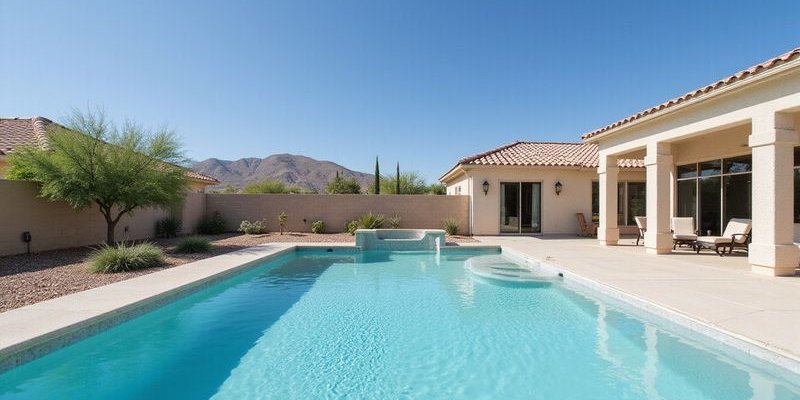
This finish upgrades the standard mix by replacing soft marble dust with hard ceramic-coated quartz crystals. Brands like SGM (Diamond Brite), NPT (QuartzScapes), and Wet Edge (Luna Quartz) dominate this category.
Quartz Pros
- Increased hardness: Quartz ranks a 7 on the Mohs hardness scale, compared to marble’s 3, making it far more resistant to chemical etching.
- Visual depth: The crystals catch sunlight, adding a shimmer that plain plaster lacks.
- Better stain resistance: The denser surface is less porous than standard marlite.
- Rich color options: Manufacturers offer distinct colors like “Tahoe Blue” or “French Gray” that hold their hue longer than dyed plaster.
- Longevity: You can reasonably expect 12 to 15 years of service life before resurfacing is needed.
Quartz Cons
- Mid-range pricing: Expect to pay 20% to 30% more than standard white plaster.
- Potential for streaking: Poor application can lead to “mottling” or uneven distribution of the aggregate.
- Risk of “burn”: If the applicators acid wash the surface too aggressively during installation, it can weaken the cement bond.
Best For
This is often the “Goldilocks” choice for families. It provides excellent durability and aesthetics without the higher price tag of premium pebble finishes.
Pebble Tec / Pebble Finishes
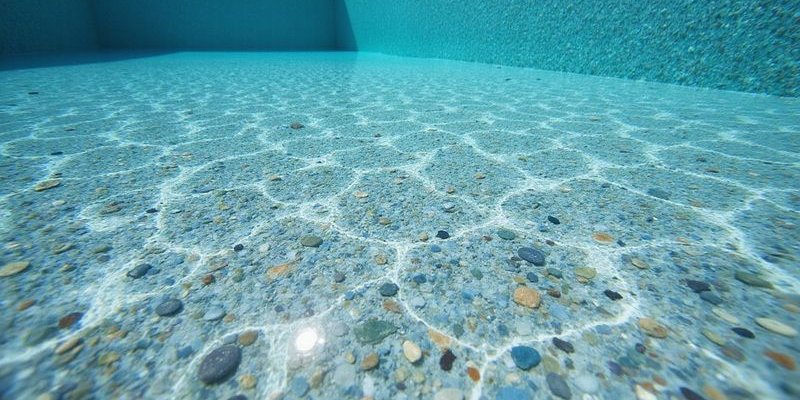
This category completely changed the industry by using small river pebbles or mined stones embedded in cement. While “Pebble Tec” is the most famous brand name, other high-quality alternatives like NPT StoneScapes and Wet Edge are widely available in the Phoenix market.
Pebble Pros
- Maximum durability: Stone is virtually immune to chemical imbalances that destroy plaster.
- Longest warranty: Most reputable applicators offer 15-year or even lifetime material warranties.
- Forgiving appearance: The variegated texture hides minor stains, dust, and chemical scaling that would ruin the look of white plaster.
- Resale value: Real estate listings often specifically highlight “Pebble Tec pool” as a premium selling point.
- Natural look: Colors like “Midnight Blue” or “Sandy Beach” mimic natural bodies of water.
Pebble Cons
- Highest initial cost: Projects typically start at $9,000-$12,000 for an average play pool.
- Texture sensitivity: Larger stone finishes can feel rough on sensitive feet after a long day of swimming.
- Scale buildup: The textured surface gives calcium scale more places to hide and adhere.
- Complex repair: Patching a pebble pool requires an expert to match the specific stone batch and fading levels.
The “Sock Test” Recommendation
Some clients worry about the texture being too rough.
We suggest finding a friend with a pebble pool or visiting a showroom to walk on a sample barefoot. If you have very sensitive skin, look for “Mini Pebble” or “Pebble Sheen” options, which use smaller aggregates for a smoother finish.
Cost Comparison Over Time
The upfront price tag tells only half the story. You must calculate the “Total Cost of Ownership” over a 20-year period, which typically covers the lifespan of the pool shell itself.
Here is the math for a standard 12,000-gallon pool (approx. 85 perimeter feet) in the Phoenix metro area:
| Finish Type | Year 1 Cost | Year 10 Action | Year 20 Action | 20-Year Total |
|---|---|---|---|---|
| Plaster | $6,000 | Resurface ($7,500*) | Resurface ($9,000*) | $22,500 |
| Quartz | $8,500 | Acid Wash ($900) | Resurface ($11,000*) | $20,400 |
| Pebble | $12,500 | No Action | Acid Wash ($1,200) | $13,700 |
*Future costs estimate inflation at 3-4% annually.
The bottom line: While Pebble Tec costs double the price of plaster upfront, it is often the cheapest option over two decades because you only install it once. For a deeper dive into finish durability, read our guide on how long pool resurfacing lasts.
Which Finish Is Right for You?
Choose Plaster If:
- Budget is tight: You need the most economical way to get the pool operational.
- You are selling soon: You want the pool to look clean and new for listing photos but won’t be there to manage long-term maintenance.
- Texture is paramount: You want the absolute smoothest surface possible for small children.
Choose Quartz If:
- You want sparkle: You love the look of water reflecting off crushed crystals.
- You plan to stay 5-10 years: You want a durable surface that will outlast a standard plaster job without the premium pebble price.
- You have shade: Darker quartz colors look incredible in shaded backyards.
Choose Pebble Tec If:
- This is your “forever” home: You never want to pay for a resurfacing project again.
- You use a salt system: Salt water pools can be harsh on standard plaster; stone holds up significantly better.
- You want a natural aesthetic: You are aiming for a lagoon or oasis look rather than a traditional swimming pool vibe.
My Professional Recommendation
We have resurfaced hundreds of pools across the Valley, from Scottsdale to Gilbert.
For long-term homeowners: The math supports Pebble Tec (or a high-quality Mini Pebble equivalent). The durability against our harsh UV rays and water hardness makes it the clear winner for value. It also eliminates the stress of watching your white plaster stain and pit after just a few years.
For strict budgets: Quartz aggregate is the smartest compromise. It offers significantly better structural integrity than marlite plaster for a manageable price increase.
For quick flips: Standard plaster remains the industry standard for a reason. It looks clean, bright, and blue immediately upon filling.
See the Finishes in Person
Photos on a screen can never replicate how water refracts light over these surfaces.
We bring physical samples of NPT StoneScapes, Pebble Tec, and QuartzScapes to every consultation. You can hold them against your existing tile and decking to see exactly how the colors interact.
Ready to update your backyard oasis? Contact us for a free consultation and we can walk you through the specific options for your pool.
Tags:
Ready to Transform Your Pool?
Get a free estimate from David Resurface today.