How to Prepare Your Pool for Arizona's Brutal Summer
Get your pool summer-ready. Essential prep tips for handling 110°F+ temperatures, monsoon season, and heavy use.
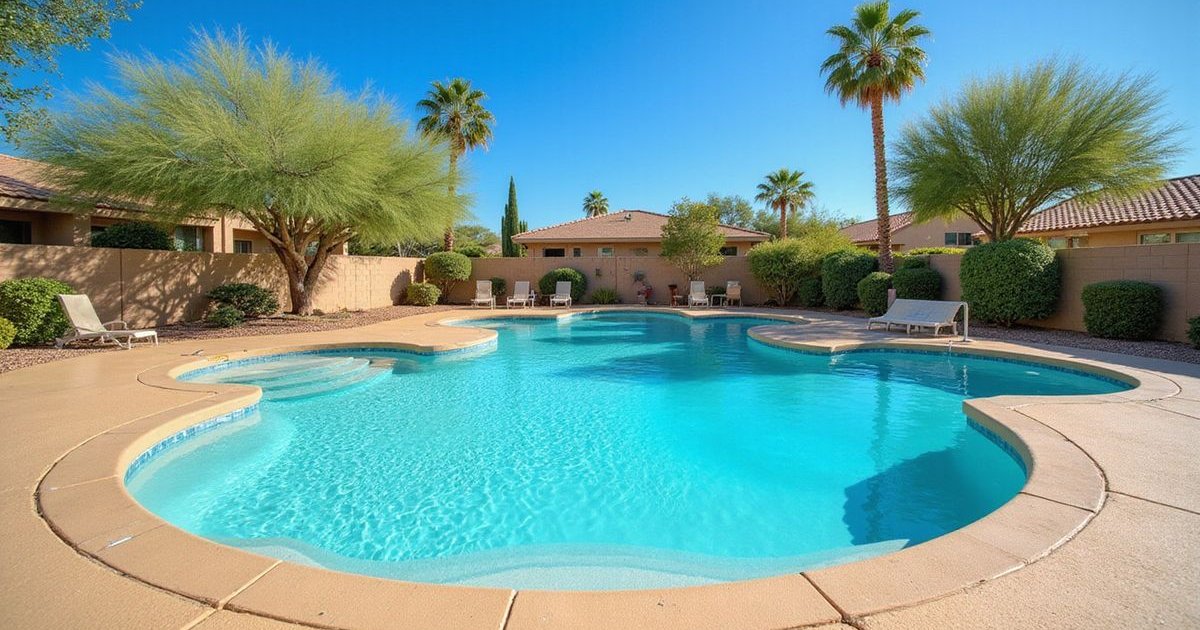
Phoenix summer is no joke. We all know about the 110°F streaks, but seasoned locals know the real damage often comes from what happens between those heat waves. Monsoon storms, dust intrusion, and rapid chemical shifts can turn a pristine pool into a swamp overnight.
From what we see in the field, most homeowners focus entirely on the heat and forget about the water chemistry volatility that ruins plaster. The key isn’t just keeping it cool; it’s about staying ahead of the aggressive Arizona elements that eat away at your investment.
So, let’s break down the exact maintenance roadmap our team uses to keep pools sparkling through the toughest months of the year.
Start in April-May: Pre-Summer Checklist
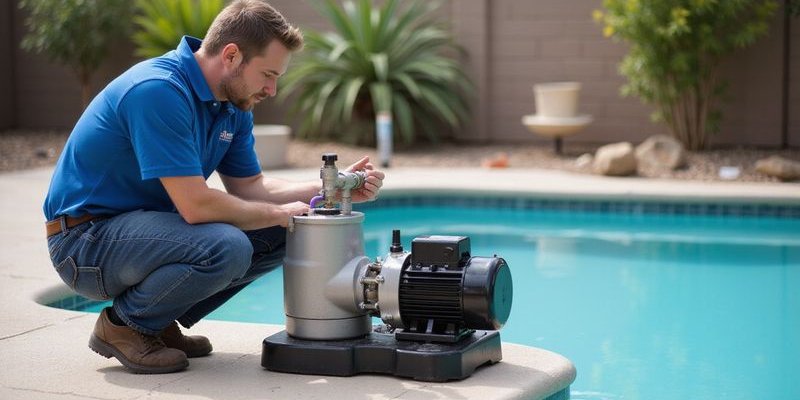
Equipment Inspection
Your equipment is about to run a marathon. We recommend a thorough checkup now to avoid a mid-July breakdown when service wait times are longest.
Pump & Motor:
- Listen for the “Screech”: A high-pitched whine usually means bearings are failing.
- Check the Basket O-Ring: Dry, cracked seals cause air leaks. Lubricate them with a Teflon-based lube (like Magic Lube) to ensure a tight seal.
- Title 44 Compliance: If you still have an old single-speed pump, it might be violating Arizona’s Title 44 energy standards. A Variable Speed Pump (VSP) isn’t just law; it saves the average Phoenix homeowner $40-$60 monthly on electricity.
Filter System:
- Record Baseline Pressure: specific clean operating pressure (e.g., 15 PSI) gives you a benchmark.
- Cartridge Cleaning: Deep clean your cartridges now. If the bands are broken or the pleats are fuzzy, replace them immediately.
- DE Grids: If you have a Diatomaceous Earth filter, inspect grids for tears that let powder blow back into the pool.
Heater (The Forgotten Component):
- Test It Now: Even if you aren’t using it, fire it up for 5 minutes.
- Critter Check: Rodents love nesting in heater cabinets during cool spring nights. Clear out any debris to prevent fire hazards.
Automation & Timers:
- Battery Backup: Replace the 9V battery in your timer box if applicable.
- Sensor Calibration: Ensure your air and water temperature sensors are reading accurately within 2-3 degrees.
Water Chemistry Baseline
Balancing water now is easier than fighting it when the water is 90°F.
The Arizona Hard Water Factor: Our tap water is naturally hard, often starting at 200+ ppm Calcium Hardness. High calcium combined with high heat creates scale that ruins tile and roughs up plaster.
| Parameter | Ideal AZ Range | Why It Matters |
|---|---|---|
| pH | 7.4-7.6 | High pH causes scale; low pH etches plaster. |
| Chlorine | 3-5 ppm | Heat burns chlorine fast; 1-2 ppm isn’t enough here. |
| Alkalinity | 80-120 ppm | Acts as a buffer to keep pH stable. |
| Calcium | 200-400 ppm | Protects plaster. Above 600 ppm risks scaling. |
| Stabilizer (CYA) | 30-50 ppm | Crucial: Protects chlorine from UV. |
Pro Tip: If your Cyanuric Acid (CYA) is over 100 ppm, drain and refill your pool now. No amount of chemicals can fix “chlorine lock” caused by high stabilizer levels.
June: The Transition Month
Increase Run Times
As temperatures climb, algae growth accelerates. We see many pools turn green simply because the water isn’t moving enough.
Smart Scheduling for SRP/APS: Electricity rates spike during peak hours (typically 2 PM - 8 PM or 4 PM - 7 PM depending on your plan).
- Variable Speed Owners: Run your pump on low speed (1,500-1,800 RPM) for 12-14 hours. It costs pennies and keeps water sanitized.
- Single Speed Owners: Split your run time. Run 4 hours early morning and 4 hours late at night to avoid peak charges while keeping chlorine mixed.
| Ambient Temp | Minimum Run Time (VSP) |
|---|---|
| Under 85°F | 8-10 hours |
| 85-95°F | 12 hours |
| 95-105°F | 14-16 hours |
| 105°F+ | 18+ hours (Low Speed) |
Boost Chlorine Levels
The sun is chlorine’s enemy number one.
- Switch to Liquid: Trichlor tabs contain stabilizer (CYA). In Arizona, using tabs exclusively will skyrocket your CYA levels quickly.
- The 7 PM Rule: Add liquid chlorine after the sun goes down. This gives it all night to sanitize without being destroyed by UV rays immediately.
- Test Frequency: Check chlorine levels every 48 hours. If you catch a drop early, it costs $5 to fix. If you wait a week, it costs $50.
Manage Evaporation
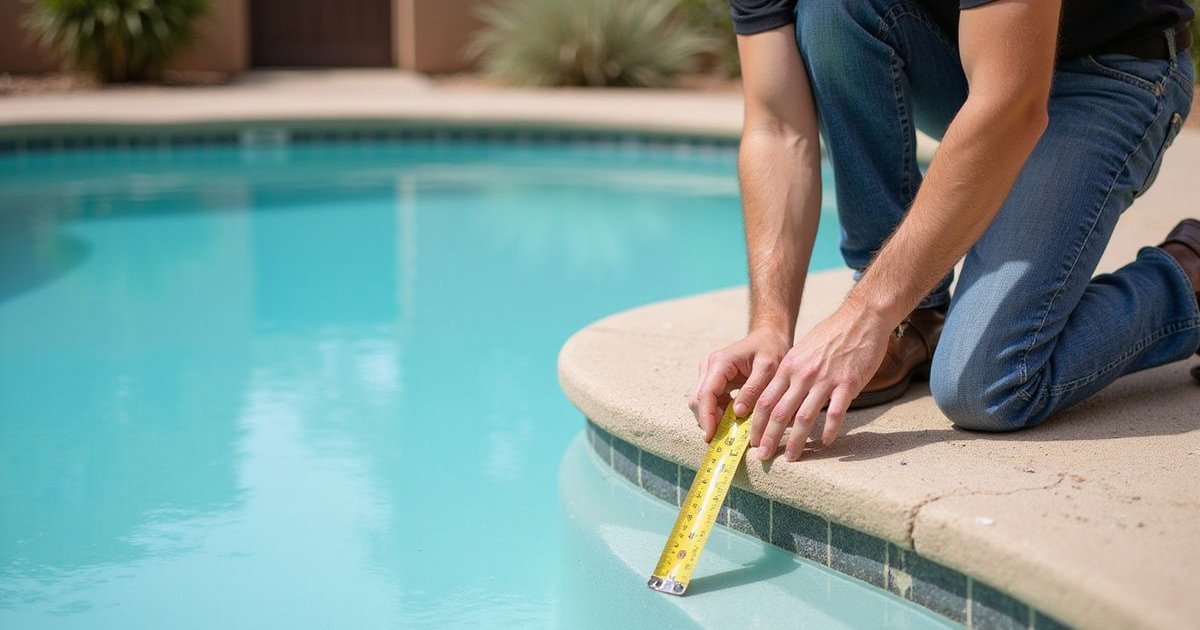
Arizona pools lose about 1/4 to 1/2 inch of water per day in June.
- The “Bucket Test”: If you suspect a leak, place a bucket of water on the pool step. If the pool drops faster than the bucket, you have a leak.
- Auto-Fill Maintenance: Check the float valve in your auto-fill pot. Mineral buildup often jams them open (wasteful) or closed (pump runs dry).
Monsoon Preparation (Late June)
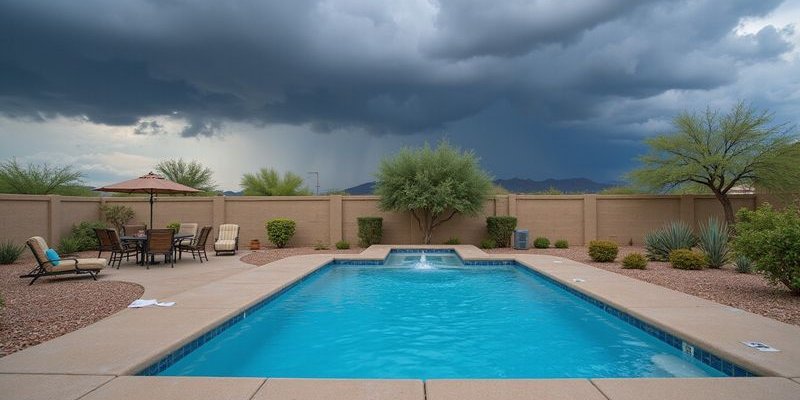
Arizona’s monsoon season (July-September) brings dust, wind, and microbursts. These storms introduce massive amounts of phosphates—the favorite food of algae.
Before Storm Season
Landscape Defense:
- Trim the Palo Verdes: Those tiny yellow flowers and beetles will clog skimmers in minutes.
- Secure the Yard: Heavy winds turn patio furniture and umbrellas into projectiles that crack pool decks.
Equipment Protection:
- Drainage Check: Ensure the area around your equipment pad drains away from the motor. Flooded motors are not covered by warranty.
- Surge Protection: Lightning strikes are common. A dedicated surge protector for your expensive automation board is a smart investment.
Create a Storm Response Plan
When a Haboob (dust storm) rolls through, quick action saves your water.
- Debris First: Net out leaves and organic matter immediately. As they decay, they consume your chlorine.
- Clean the Filter LAST: Wait until the water clears up before cleaning your filter. Otherwise, you’ll just have to clean it twice.
- Check Phosphates: Dust is high in phosphates. Use a phosphate remover (like Orenda PR-10000 or similar) to starve algae before it blooms.
- Shock the Pool: Dust carries organic contaminants. A heavy shock dose helps the filter catch up.
Heat Management Strategies
Keep Water Temperature Manageable
Once water hits 90°F, chlorine becomes less effective and bacteria grow faster.
Effective Cooling Methods:
- Aerators: These simple PVC attachments spray water into the air. Running them at night can drop water temperature by 5-10 degrees.
- The “Glacier” Approach: specialized pool chillers exist, but they are an investment.
- Remove the Cover: Never leave a solar cover on during an Arizona summer. It acts like a magnifying glass for heat and promotes algae growth.
Protect Equipment from Heat
Your pump motor is air-cooled. If the ambient air is 115°F and the motor is in direct sun, internal temps can exceed 160°F.
- Create Shade: A simple shade structure over the equipment pad can extend motor life by years.
- Ventilation: Keep bushes and weeds trimmed back at least 2 feet from the motor to allow airflow.
Cool Deck Matters
Burning your feet ruins the pool experience.
- Surface Temperature: Travertine pavers stay cooler than concrete, but a quality acrylic lace coating is the standard for cool decks.
- Color Choice: Lighter colors reflect heat. Avoid dark grays or browns for deck paint.
Consider Cool Deck coating if your current surface is peeling or blistering.
Common Summer Problems & Solutions
Green Pool After Storm
Cause: Phosphate spike from dust and zero chlorine.
Solution:
- Test for phosphates (kits available at pool stores).
- Add phosphate remover (follow dosage exactly).
- Clean filter once pressure rises (phosphate removers clog filters fast).
- Shock with liquid chlorine.
Cloudy Water
Cause: Early stages of algae or poor filtration.
Solution:
- Check pump run time. Are you turning over the water enough?
- Check chemical balance. High pH often causes cloudiness.
- Use a clarifier to clump particles together for the filter to catch.
High Water Temperature
Cause: Thermal mass absorption.
Solution:
- Run aerators from 10 PM to 6 AM.
- Run the filter pump at night.
- Add shade sails over the shallow end if possible.
The Summer Supply Kit
Don’t run to the store in a panic. Keep these essentials in your shed:
| Item | Purpose |
|---|---|
| Liquid Chlorine (4 gallons) | Immediate sanitation boost without adding CYA. |
| Phosphate Remover | Critical for post-monsoon cleanup. |
| Muriatic Acid | To lower pH (it rises fast in summer). |
| Diatomaceous Earth (DE) | Only if you have a DE filter (for recharging). |
| Quality Test Strips/Kit | Taylor K-2006 is the gold standard for accuracy. |
| Silicone Lube | For O-rings and gaskets. |
When to Call for Help
Sometimes you need a pro to save the investment.
- Motor screaming or humming: A capacitor or bearing failure needs immediate repair.
- Plaster delamination: If you see “blisters” or popping plaster, chemical imbalances are destroying the surface.
- Uncontrollable Algae: If you’ve shocked it twice and it’s still green, you likely have a phosphate or stabilizer issue.
Our schedule fills up weeks in advance during June and July. It pays to be proactive.
Make It Easy
The goal is a pool you can jump into, not one you have to work on every weekend. A little preventative maintenance in April and May saves you hours of sweating over a green pool in August.
Need help getting ready for summer? Contact us for equipment inspection, deck coating, or any repairs before the heat hits.
Tags:
Ready to Transform Your Pool?
Get a free estimate from David Resurface today.